


A Guide on How to Engage Employees in Your Organisation
 Sorwe
Sorwe


Engaging employees in your organisation starts with measuring current engagement levels, then building a continuous strategy involving managers, HR, and leadership to drive lasting cultural change.
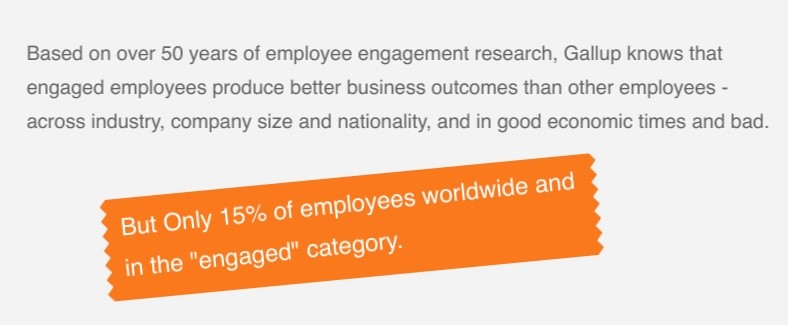
There's no doubt about the importance of employee engagement in your workforce, especially when only 15% of the global workforce falls into Gallup's engaged category. Poor engagement can lead to high turnover, dissatisfied employees, a toxic culture, and low productivity. If you're considering how to start actively engaging your workplace, there are several things to do before taking action.
Here is our guide on how to engage employees in your organisation.
Before You Begin
Before trying to change your employee engagement levels, it's important to measure engagement first to know precisely what you're dealing with. Without the right tools, expertise, or framework, this process won't succeed.
Employee engagement is about your people and how they feel working at the company. You can't pull together a quick strategy and expect everyone to suddenly feel happier and more engaged. Engagement is a continuous process that takes time to measure and improve.
Create an employee engagement strategy that outlines your objectives and approach for measuring engagement.
There are two approaches to getting started: measure engagement levels first, or begin implementing initiatives immediately. The problem with skipping measurement is that it's difficult to know how your people actually feel without data first.
How to Measure Employee Engagement
There are several ways to measure employee engagement in your organisation, depending on budget, resources, and time. Some ways to measure engagement using Sorwe include:
- Running employee surveys or pulse surveys
- Gaining feedback through team meetings or one-to-one meetings
- Instant employee feedback
- 360-degree feedback systems
Once You Understand Engagement Levels
Once you have feedback on engagement, you can identify areas for change and take action. Ideally, you want to build an engagement culture where consistent efforts increase and retain engagement over time. Whoever drives this process—leadership, managers, HR, or a dedicated project team—must commit to long-term, ongoing cultural change.
The Role of Managers in Engaging Employees
Managers can either engage or disengage their people. If managers are unavailable, don't give feedback, and don't listen to their teams, engagement will suffer.
It's not easy for managers to be effective coaches while managing their own workload. Yet employees who receive daily feedback from their manager are three times more likely to be engaged than those who only receive feedback once a year. Good managers show they care about their people and help them connect with their contribution to the company.
Training managers helps them engage effectively, though it can be costly and time-consuming. An alternative is organising coaches or internal mentors to support less experienced managers as they grow.
What About Individual Responsibility?
While leadership and management heavily influence culture and engagement, employees should also take initiative to speak out and give feedback. Creating a feedback culture encourages individuals to actively and honestly share their views regularly, making feedback a normal part of workplace life.
What Is HR's Role in Engagement?
It's a common misconception that HR alone manages employee engagement. While HR may organise surveys or liaise with providers of engagement technology, engagement is not just an HR responsibility.
Beyond managers giving regular feedback and performance reviews, leaders must go further than communication updates. Leaders should review employee and manager feedback, listen actively, and support realistic action planning. They need to drive achievable change initiatives and ensure engagement is embedded in business strategy with proper buy-in.

Ensure Open Communication
Communication, done well, is essential for a culture of engagement. Organisations need to be as open and honest as possible about change so employees feel informed. Transparency is critical, and two-way communication—supported by an open-door policy—helps employees feel heard.
How to Engage Employees Working From Home
With hybrid working now common, employees can feel lonely or disconnected from in-person teams, leading to disengagement and lower productivity. Managers must adapt to include remote workers in all team meetings and hold regular one-to-one virtual updates. Virtual social events, lunch-and-learns, or training sessions can also help.
Organisations can further support remote workers through wellness initiatives, longer lunch breaks, early finishes, or specific wellness perks. Remote employees also need to feel heard and recognised. Communication platforms like Slack, celebrating achievements, and enabling remote feedback all help. Explore more tips for building a feedback culture in remote work on this blog.
The Importance of Diversity and Inclusion
According to research by Deloitte, diversity and inclusion have become increasingly important and are key components of engagement. When employees feel safe, accepted, and a sense of belonging, this fosters a more engaged workforce, while diverse teams often generate better ideas and productivity. Feeling respected and equally treated strengthens connection to the team and company.
Employee engagement is crucial to your organisation's performance, so it deserves ongoing focus regardless of current levels. Once you've measured engagement, you can create initiatives aligned with your strategy. It's unlikely to be an easy fix, but coaching managers, building a culture of feedback and recognition, and encouraging regular feedback from all employees will set you on the right path.
Frequently Asked Questions
What is the first step in a guide on how to engage employees in your organisation?
Measure current engagement levels using surveys, feedback tools, or one-to-one meetings before implementing any changes, so you know exactly what you're dealing with.
What role do managers play in employee engagement?
Managers are central to engagement. Regular feedback, availability, and coaching skills significantly increase engagement, as employees who get daily feedback are three times more likely to be engaged.
Is employee engagement solely HR's responsibility?
No. HR often organises surveys and technology, but engagement requires commitment from leadership, managers, and employees themselves to be effective and sustainable.
How can organisations engage remote or hybrid employees?
Include remote workers in all meetings, hold virtual social events, prioritise wellness initiatives, and use communication platforms so remote staff feel heard and recognised.
Why does diversity and inclusion matter for engagement?
Diversity and inclusion help employees feel safe, respected, and a sense of belonging, which strengthens connection to the team and boosts overall engagement.
