


What Is a New Employee Orientation & Why You Need One
 Sorwe
Sorwe


A new employee orientation is the structured process of welcoming a new hire into an organisation and introducing them to its culture, policies and procedures, and it's a shared responsibility between HR and the hiring manager, not HR's alone.
You've already impressed your new starters, as they've committed to working at your organisation. However, you can't become complacent the day they start, because you must engage them throughout their working life cycle. The period from the moment you make an offer to their first day is the onboarding process. The employee orientation commences once an employee begins working at your organisation.
But there's more to a successful employee orientation than covering organisational policies and procedures. You need to socialise new hires into the company, help them feel prepared to do the job they were hired for, and welcome them into their team. And it's not just down to HR.
This blog covers:
- What Is a New Employee Orientation?
- Why Is a New Employee Orientation Important?
- Who Is Responsible for the New Employee Orientation?
- What Does the New Employee Orientation Include?
- What Is Employee Orientation Software?
What Is a New Employee Orientation?
Employee orientation is the process of welcoming new employees to the organisation and introducing them to organisational values, processes, procedures and other aspects of culture. It's a great opportunity to integrate new hires on their first day or during their first week. Done well, it makes them feel welcomed, informed about the company and culture, and equipped with the tools to start their new role.
Why Is a New Employee Orientation Important?
In the ongoing war for talent and with the rise of remote and hybrid working, you need to engage new starters as soon as possible. Effective employee orientation shapes their first impressions of the organisation. It educates new starters, helps them feel comfortable and informed, and helps them get up to speed more quickly.
Imagine if nobody told you your teacher's name, where you could have lunch, or what the rules were on your first day of school. The workplace isn't school, but the same principle applies: making new starters feel at home and giving them a compelling employee experience from day one helps them settle in and engage with the organisation.

Who Is Responsible for the New Employee Orientation?
It's often assumed that employee orientation is HR's responsibility, but that's not necessarily the case, and it varies by organisation. HR may organise the first-day induction since they know new starter dates and legal requirements that must be included, such as health and safety training.
But managers are also responsible for ensuring their new starters have a positive and informative experience. Managers can't simply assume HR will handle the whole orientation. They should ensure it's relevant to the new starter — whether in-house or remote — and that all necessary information is included.
Once the person starts the job, how are they welcomed into the team and shown what to do? Managers can't adopt a "go away and find out for yourself" approach, as it won't help engagement. Instead, the manager must lead the ongoing orientation and support of a new starter.
What to Expect at a New Employee Orientation
The format of an employee orientation varies across organisations, but there are some consistencies. Employees should know they're having an orientation before their first day, as details should be communicated in advance.
Legal requirements should be included, but orientation is also a chance to remind employees why they chose the organisation and what to expect. A disorganised orientation — running late, missing speakers, or broken video connections for remote employees — gives a poor impression of the workplace.
What Does the New Employee Orientation Include?
Beyond educating new starters about culture, policies and procedures, specific training should also be covered. This may include mandatory online programmes on compliance and health and safety, plus additional training.
Each manager must organise what training their new employees need beyond the formal orientation. For example, someone joining the HR team may need on-the-job training to learn the HRIS systems, shadow colleagues in meetings, or spend time in other departments. This kind of skill development motivates new starters, helps them feel part of the team, and builds confidence in their new job.
Include Social Integration
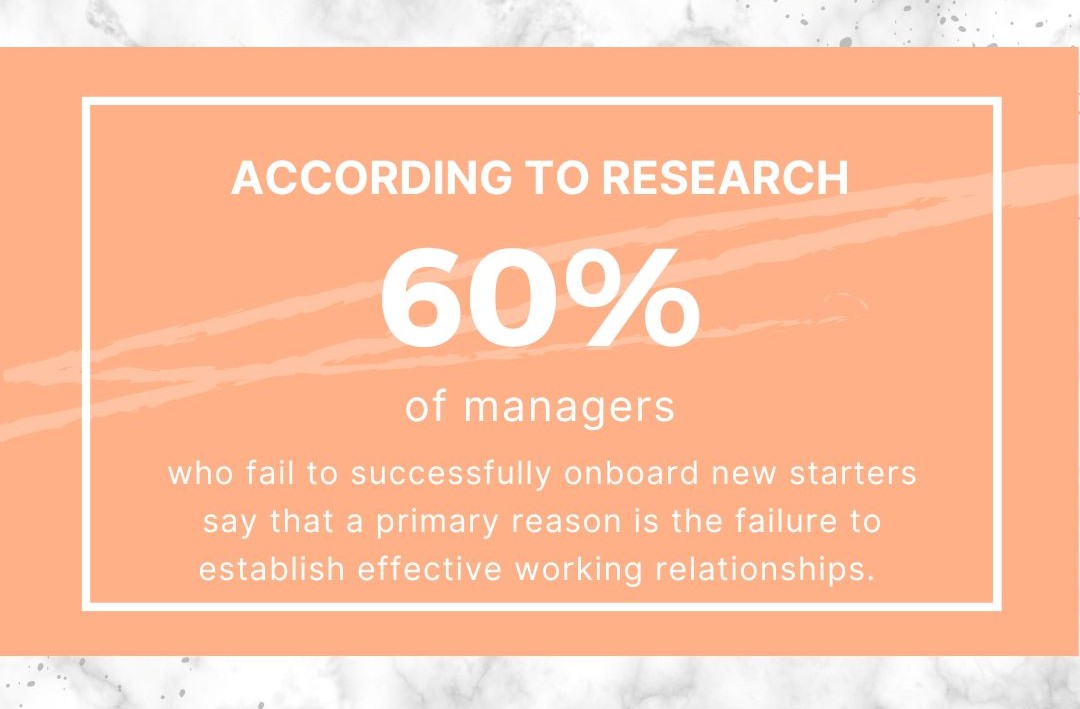
Another critical aspect of employee orientation is ensuring new starters have adequate social interaction with colleagues. According to research, 60% of managers who fail to successfully onboard new starters cite failure to establish effective working relationships as a primary reason.
It's the manager's responsibility to ensure social integration early in the new starter experience — through a team lunch, team meetings, job shadowing, on-the-job training, or a buddy or mentoring system.
What Is Employee Orientation Software?
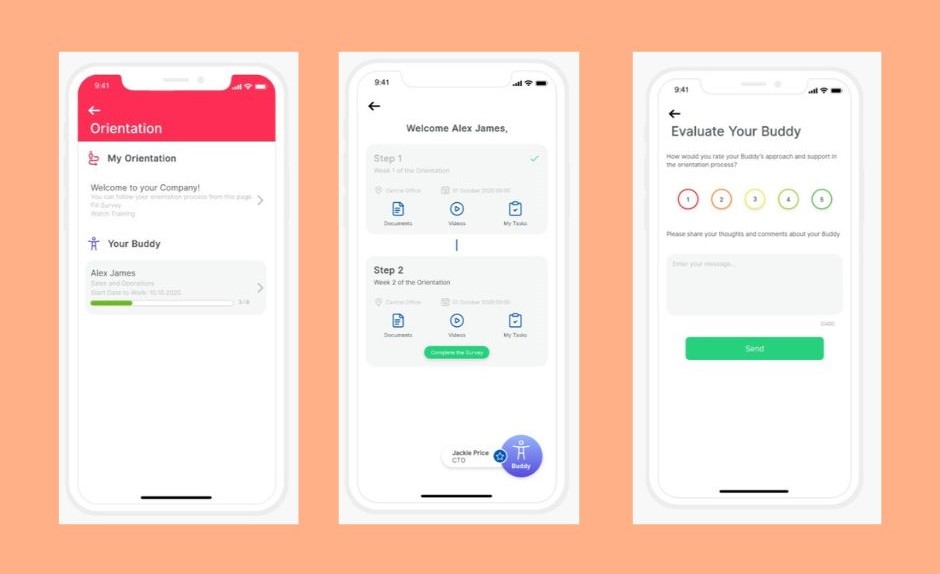
You can go one step further to improve communication with new starters without bombarding them with paperwork before their first day: technology. Using employee orientation software by Sorwe, you can communicate with new starters via an app that gives them extra information and eases first-day nerves.
For example, you can personalise the orientation software for each person based on department or role. Communicating each person's orientation steps supports your internal processes and makes each new hire feel welcome and unique rather than just a number. It sets a culture of trust and inclusion before they even step into the office and supports them through the following weeks.
How to Manage a Virtual Employee Orientation
What happens with virtual working and new starters who won't be in the physical office? An app is essential to include them remotely — you can use it to communicate orientation tasks and offer a checklist. To make it more personal, include your organisation's logo, colours and values to boost engagement and immerse remote hires in the company culture.
A virtual orientation could also include video links to in-person presentations or discussions, plus video calls between managers and new starters. You can also include a dedicated employee orientation section on the intranet, letting starters work through tasks and presentations via the app checklist.
Employee orientation is an essential part of onboarding, and managers cannot rely on HR to handle every part of it. While some elements are the same for all new starters, managers must customise training and team integration to give each employee the best possible start. This not only boosts engagement but, longer term, can affect performance, productivity, turnover and your organisation's reputation for looking after its people.
Sorwe provides the tools you need for an effective employee orientation in your organisation. Get in touch with us to learn more about how Sorwe solutions can help you improve your employee orientation practice.
Frequently Asked Questions
What is a new employee orientation?
It's the process of welcoming new hires to an organisation and introducing them to company values, processes, procedures and culture, typically during their first day or week.
Why do you need a new employee orientation?
It shapes first impressions, helps new starters feel comfortable and informed, speeds up their readiness for the role, and boosts engagement and retention.
Whose responsibility is new employee orientation?
It's shared: HR usually organises the formal induction and legal requirements, while managers are responsible for role-specific training, team integration and ongoing support.
What should a new employee orientation include?
Compliance and health and safety training, an overview of policies and culture, role-specific training, and social integration such as team lunches or buddy systems.
How do you run a virtual employee orientation?
Use orientation software or apps to share checklists, video links and branded content so remote new starters get the same structured, engaging experience as in-office staff.
